
🌐 EN ▾
- EN - English
- FR - French
- DE - German
- JP - Japanese
- KR - Korean


2.36× Higher Bioavailability
Backed by Clinical Evidence

Vitamin C is one of the most essential micronutrients for human health. It supports immune defense, collagen formation, wound healing, iron absorption and antioxidant protection. Because the body cannot produce or store it, Vitamin C must be consumed daily through diet or supplementation.
Yet, conventional Vitamin C often falls short due to poor absorption, rapid elimination and digestive discomfort—leaving consumers without the full health benefits they expect.

Restricted intestinal uptake due to transport limitations.

It degrades quickly from oxidation, heat, and environmental factors.
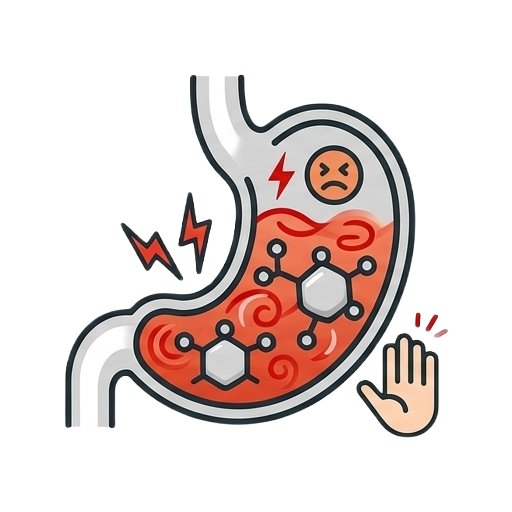
High doses often cause acidity and discomfort.
Lipomac™ is a clinically validated liposomal Vitamin C, powered by LipsoBio®'s Patent filed DFS Technology™, which encapsulates Vitamin C within phospholipid carriers that mimic natural cell membranes. This advanced delivery ensures superior absorption, enhanced stability, and a gentle release.
Clinical Evidence: In the clinical study titled A Clinical Evaluation of Liposomal (Lipomac™) versus Non-Liposomal Vitamin C:
A Randomized, Open-Label, Crossover Trial in Healthy Subjects, Lipomac™ (Liposomal vitamin C) demonstrated 2.36× higher absorption compared to regular vitamin C. This makes it a smarter choice for boosting immunity, antioxidant protection and overall health.
Mean Plasma Concentration
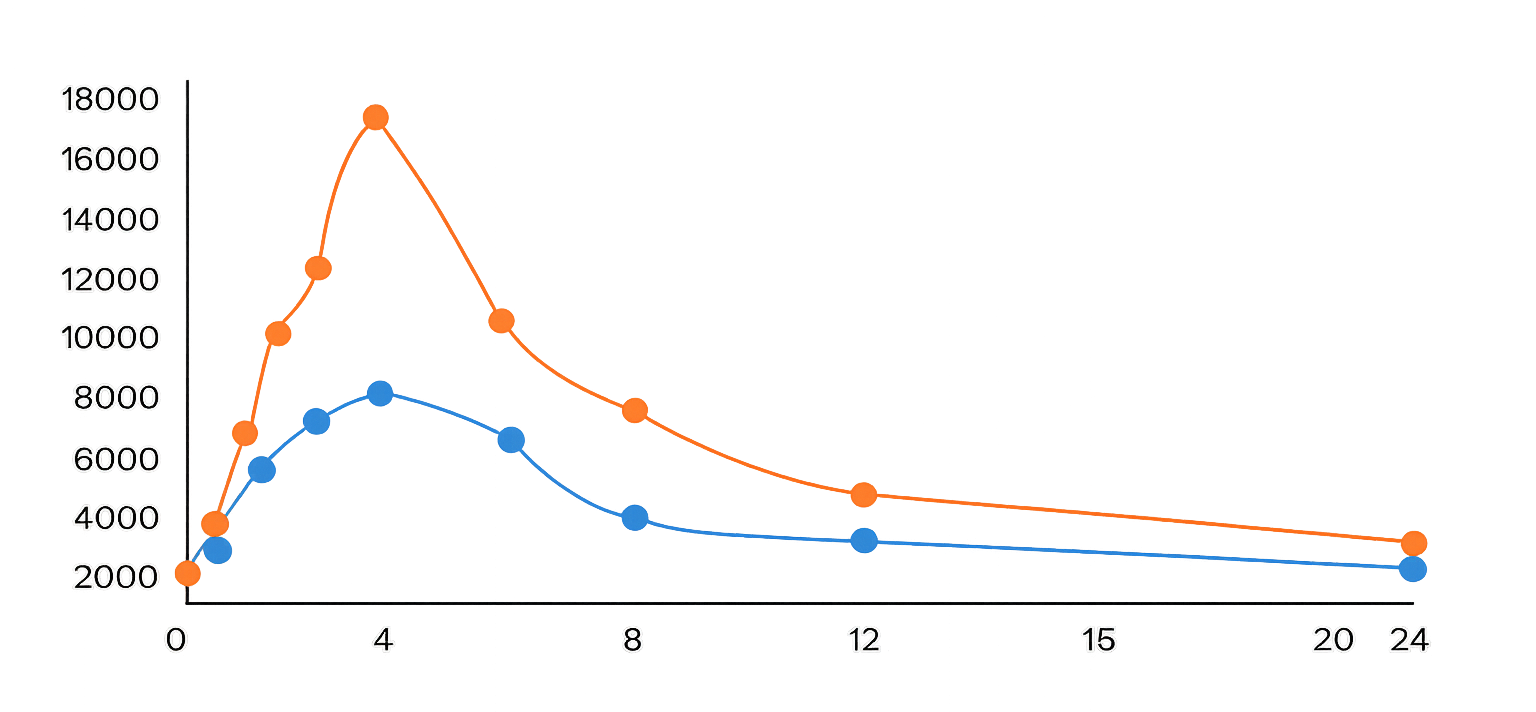
Time Intervals (hr)
Treatment A (Lipomac™ Liposomal Vitamin C)
Treatment B (Non Liposomal Vitamin C)
Advanced Scientific Validation: Advanced characterization (TEM, Cryo-EM, Caco-2) confirmed stable, uniform liposomes and 1.42× higher intestinal permeability versus non-liposomal Vitamin C.





Advanced Characterization of Liposomal Vitamin C - Confirmed liposomes are uniform and show higher Caco-2 permeability vs. non-liposomal Vitamin C
READ THE STUDYA clinical evaluation of liposomal (Lipomac™) versus non-liposomal vitamin C: A randomized, open-label, cross-over trial in healthy subjects
READ THE STUDY