
Among the fastest growing segments in the Nutrition and wellness industry, the needs for liposomal phytochemicals continue to evolve. Enhanced absorption, superior, and stable quality components, and the distinct ability to differentiate oneself in the B2B nutraceutical market are the key attributes to gaining market share. This has caused Liposomal Phytochemical Procurement to become a pivotal component in the positioning of a brand in the marketplace
.It does not matter whether you are a supplement manufacturer, private label brand, or raw material supplier. If you choose the correct Liposomal Phytochemicals, the brand’s market performance and profitability are virtually guaranteed.
What Are Liposomal Phytochemicals?
The term phytochemicals refers to specific polyphenols, flavonoids, carotenoids, and antioxidants produced by plants, and are known to fortify the immune system and improve cellular repair and overall well being.
Unfortunately, these phytochemicals have a disconcerting drawback – low bioavailability, meaning, the absorption by the body is a very small fraction of the total.
The use of liposomes to deliver these phytochemicals solves the bioavailability challenge.
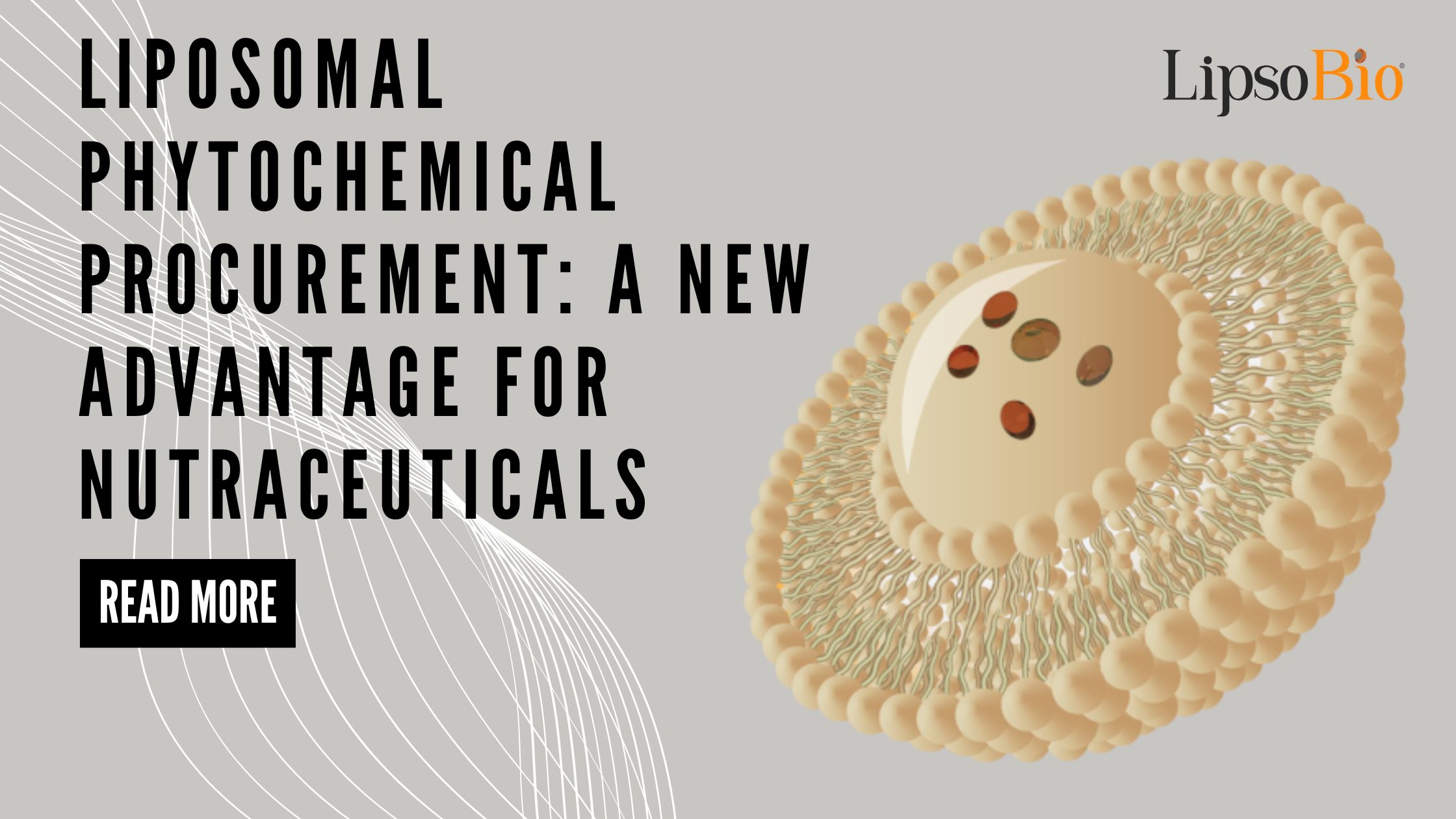
Liposomal phytochemicals are simply active plant compounds that are encased in tiny lipid (fat) bubbles that serve to protect the ingredient from being degraded and allow for more efficient absorption at the cellular level.
The benefits become self-evident: improved stability and absorption, leading to a more positive outcome.
Importance of Liposomal Raw Material Procurement
There are variations Liposomal Ingredients, for example consider the liposomal encapsulation. The quality could affect:
- Particle Size and Stability
- Ease of Absorption
- Ingredient Purity
- Shelf Life
- Effectiveness of The End product
This makes procurement essential for brands hoping to meet the highest nutritional needs.
Factors to Consider When Procuring Liposomal Phytochemicals
1. Phytochemicals Purity
Grade phytochemical suppliers are the most ideal. The product low grade and/or contaminated extracts pose a danger to product quality and trust of the consumer.
2. Encapsulation Efficiency
An effective liposomal encapsulation systems is at an encapsulation efficiency of 80-90%. This is to facilitate adequate (>90%) delivery of the core active.
3. Particle Size Distribution
Quality liposomal products are reported to contain a uniform nano-sized liposome (50-200 nm) distribution, to enhance stability and reliable absorption.
4. Clean and Safe Excipients
Suppliers that do not use harmful solvents, and clean food-grade phospholipids are the most qualified, Clean label is a demand by most consumers.
5. Proprietary Documentation
The good suppliers will have COA (certificate of analysis), stability documentation, particle size data, encapsulation efficiency documentation, and any applicable safety certificates. This will ensure procurement is compliant, simple and minimizes risk.
Quality Liposomal Phytochemicals
✔ Enhanced Bioavailability.
The technology used in liposomal delivery systems is more effective in absorption than powders or extracts that are not liposomal.
✔ Diminished Dosage Needs
Due to enhanced absorption, fewer doses yield greater results.
✔ Enhanced Integrity
Protects phytochemicals from oxidation and degradation due to liposomal encapsulation.
✔ Versatility
Can be used in:
- Nutraceutical capsules
- Liquid supplements
- Functional beverages
- Gummies
- Powder and shot forms
✔ Clean Label Positioning
Liposomal phytochemicals are the optimal answer, as customers want, ”more naturally sourced, plant-based, and more easily absorbed products.”
How to Design an Effective Procurement Strategy
1. Assess Your Product Needs
Determine whether you need components that support immunity, contain antioxidants, detoxify, or include anti-inflammatory ingredients.
2. Collaborate with Reputable Liposomal Vendors
Only work with vendors that specialize in liposomal nanosystems.
3. Price Versus Quality
Do not pick low-cost vendors and compromise on stability and purity. Quality liposomal components lead to greater ROI in the long run.
4. Obtain Samples Before Placing Bulk Orders
Before confirming procurement, real testing must be done in the form of stability, flavor, solubility, and particle size.
5. Verify Compliance with Procedures
Verify that the supplier observes GMP, ISO, FSSAI, FDA, or other local regulations.
Challenges in Liposomal Phytochemical Procurement
- Changes in quality between suppliers
- More expensive than other extracts
- Requires verified testing certificates
- There is a risk of poor packing quality
- Fewer suppliers around the world whose Technological cap is Liposomal
The right strategic partner removes most of these obstacles.
The Next Step in Liposomal Phytochemical Procurement
The demand and potential of phytochemicals in liposomal form is likely to grow as the world is in need of:
- Easily absorbable dietary supplements
- Functional ingredients derived from plants
- Science-proven and clean label items
- Products customized for individual nutrition needs
More and more companies are leaving conventional extracts and are using liposomal phytochemicals to provide more benefits to their customers.
For nutraceutical companies aiming to expand, disrupt the industry, and provide effective supplements, liposomal phytochemical procurement is fundamental. With effective suppliers and procurement system, companies can produce high quality supplements that are differentiated in absorption and customer satisfaction.
For companies entering the liposomal market, the selection of liposomal phytochemicals of superior quality is not an option but a competitive advantage.
